
Performance Anxiety Coaching
For musicians, performers, students, academics, athletes, and other high achievers who want to work more effectively with pressure.
WHEN SOMETHING YOU KNOW HOW TO DO BECOMES HARDER UNDER PRESSURE
Performance anxiety can appear in many forms. For one person it is a racing heart or shaking hands. For another it is overthinking, playing cautiously, losing concentration, becoming unusually self-conscious, or suddenly doubting skills that normally feel reliable.
The common feature is that the stakes change what becomes available in the moment.
Auditions, competitions, performances, presentations, examinations, critiques, interviews, and other evaluative situations can all create this effect.
This is where performance coaching can be useful.
PERFORMANCE ANXIETY IN MUSICIANS AND PERFORMERS
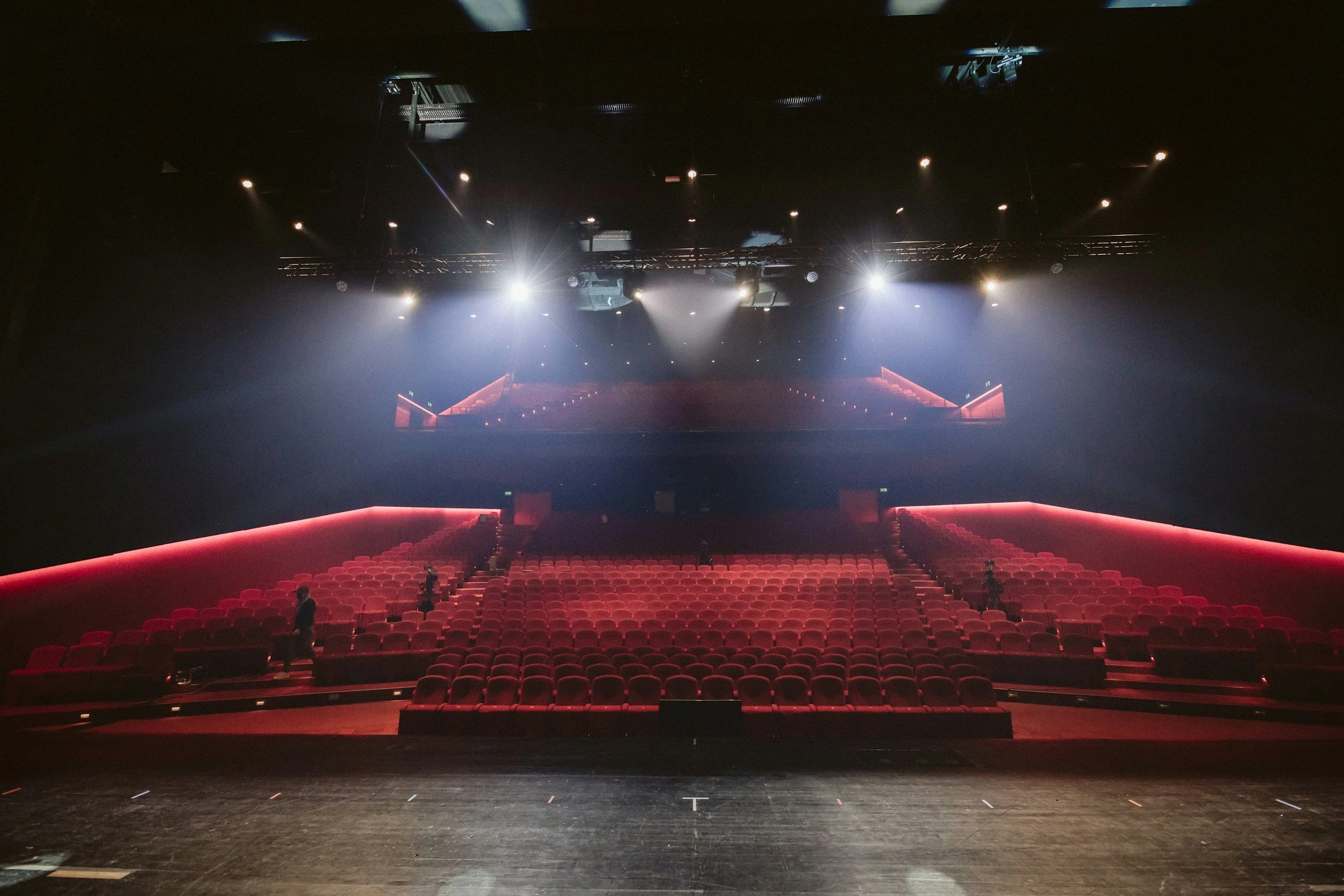
Musicians and performers work in environments where preparation eventually has to become public. Auditions, juries, recitals, competitions, rehearsals, opening nights, and professional evaluations can place years of preparation into a very small window of time.
Performance anxiety may show up as physical activation, excessive self-monitoring, fear of mistakes, perfectionism, cautious performance, difficulty staying connected to the work, or a loss of trust in skills that normally feel automatic. Coaching develops ways to respond to these experiences while keeping attention oriented toward the performance itself.
PERFORMANCE ANXIETY BEYOND THE STAGE
The same dynamics appear anywhere ability is evaluated under pressure.
Students, academics, athletes, leaders, and professionals may know exactly what they are capable of and still find that an important exam, competition, presentation, interview, critique, or decision changes how easily they can access it.
Performance anxiety may appear as overpreparing, hesitating, going blank, becoming unusually cautious, monitoring every decision, losing confidence after a mistake, or becoming preoccupied with how others are evaluating you.
The setting changes. The challenge remains familiar: staying oriented toward what matters while pressure, judgment, uncertainty, and self-consciousness compete for attention.
EXAMS & DEFENSES
ATHLETIC COMPETITION
PRESENTATIONS
INTERVIEWS
CRITIQUES & REVIEWS
HIGH-STAKES DECISIONS
Performance coaching develops skills for responding more effectively when pressure begins to influence attention, judgment, confidence, or execution.
WHAT PERFORMANCE COACHING WORKS ON
Attention under pressure
Stay connected to useful information and the task in front of you.
Perfectionism and overcontrol
Recognize when high standards begin narrowing freedom and flexibility.
Fear of judgment
Work more freely while being seen, evaluated, compared, or critiqued.
Confidence after mistakes
Recover more quickly when something does not go as planned.
Overthinking and self-monitoring
Reduce the amount of attention consumed by internal commentary.
Physical activation
Develop ways to perform effectively while the body is highly activated.
Pre-performance preparation
Build routines that orient attention toward the work that matters.
Performance recovery
Learn from difficult performances without allowing them to define the next one.

These abilities can be practiced just as deliberately as the technical skills surrounding the performance itself.
HOW BREAKTHROUGH APPROACHES PERFORMANCE ANXIETY
The aim is to help you stay oriented toward what matters while pressure is present.
Performance anxiety becomes especially disruptive when attention gets captured by internal noise—predictions, self-monitoring, perfectionistic demands, body sensations—or by external noise such as evaluation, comparison, criticism, scores, and expectations.
Breakthrough coaching helps you clarify what matters, recognize what is pulling your attention away, loosen the grip of thoughts and reactions that have become sticky, and return attention to useful action.
FIND NORTH
NORTH · NOISE · NEXT
North — What matters here?
Noise — What is pulling at me?
Next — What do I do now?
The purpose is orientation. Even when pressure is present, your attention and behavior can keep moving in the direction you chose.
PERFORMANCE ANXIETY COACHING VS. THERAPY
Performance coaching focuses on the skills involved in preparing, performing, responding to pressure, directing attention, recovering from mistakes, and acting effectively when something matters.
Therapy may be more appropriate when anxiety is part of a broader mental-health concern, significantly disrupts everyday functioning, or requires clinical assessment and treatment.
Some people work with both a coach and a therapist at different times or for different purposes.
Breakthrough Performance Center provides performance coaching through this website.
RELATED IDEAS & RESOURCES
Explore the ideas behind the work and take something useful with you.
FIND NORTH
Three questions for the minutes before you perform.
A simple framework for staying oriented when pressure, judgment, and internal noise begin competing for attention.
PROPRANOLOL AND PERFORMANCE ANXIETY IN MUSICIANS
History, evidence, and context
An evidence-informed look at beta blockers, what they can help with, their limitations, and their long history in musical performance.
EXCELLENCE IS A PROCESS. PERFECTIONISM IS AN EVALUATION.
An exploration of what changes when excellence becomes something we practice rather than something we wait for others to certify.
WORK ON YOUR PERFORMANCE DIRECTLY
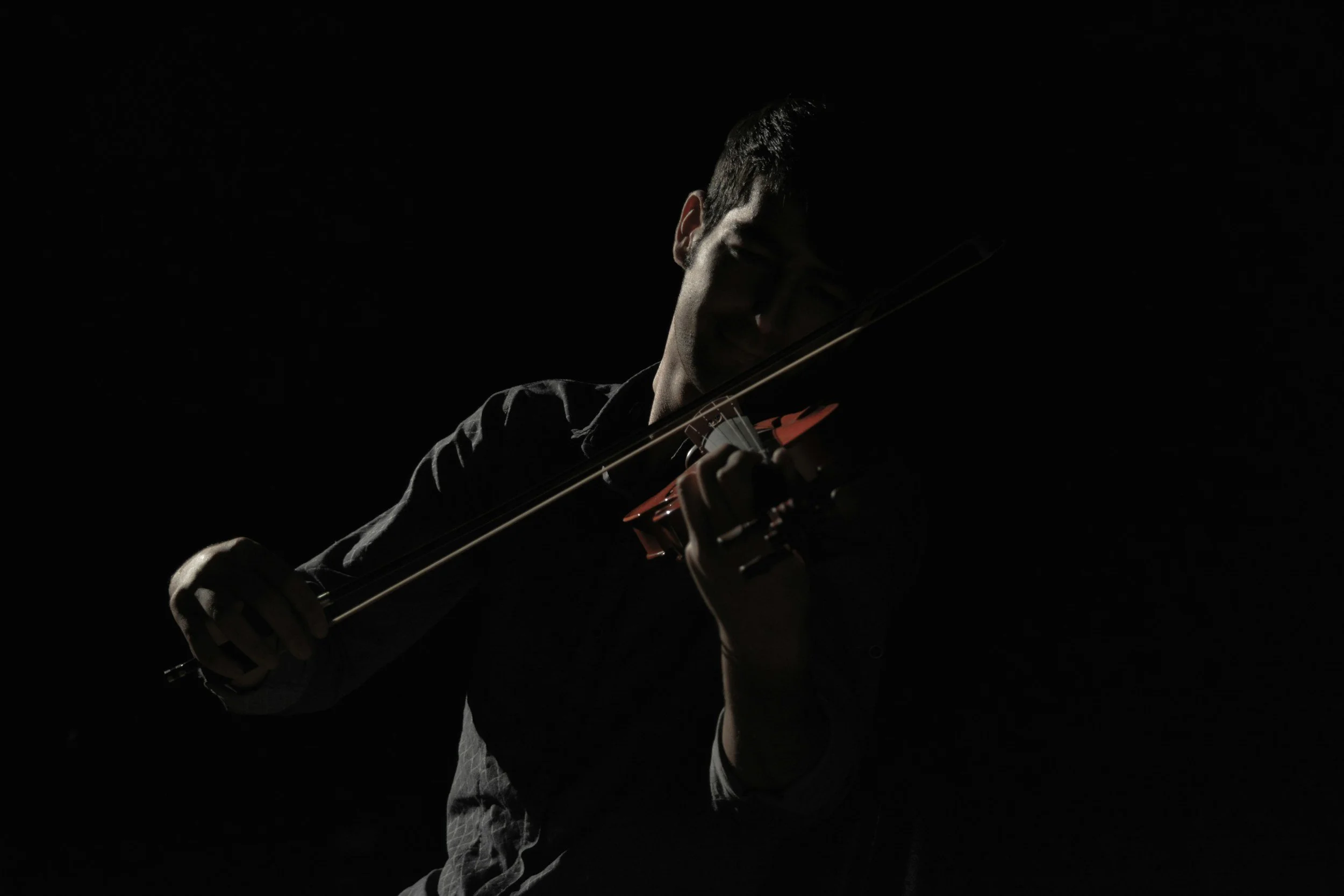
Bring more of what you are capable of into the moment.
Performance coaching gives us time to look closely at what happens when pressure rises, develop strategies that fit the way you actually work, and practice using them in the situations that matter to you.