
I have spent much of my professional life interested in what allows people to do difficult things well.
Dr. Elizabeth Rennick, DMA, MSW
Performance Educator · Professional Oboist · University Music Professor
At a glance
Teaching
Music faculty, University of Louisiana at Monroe
Former tenured Associate Professor of Oboe, Eastern Kentucky University
Golden Apple Award, a student-selected award for excellence in teaching
Teaching performance-anxiety management for more than 20 years
Performance and Works
Published in The Double Reed, the journal of the International Double Reed Society
Invited performer, International Double Reed Society Conferences
Lexington Bach Society, soloist- Oboe, Oboe d’amore
Orchestral service with the Cedar Rapids and Dubuque Symphony Orchestras, and Lexington Philharmonic
Active chamber musician for new music, woodwind quintets and a founding member, Dolce Veloce a flute-oboe-piano trio
Director of the summer Music Arts and Theater camp based in Evanston Wyoming.
Education
Doctor of Musical Arts, University of Iowa
Doctoral research: a national survey of oboe reed-making pedagogy
Master of Social Work, with a certificate in clinical social work, University of Kentucky
MM in music performance, Brigham Young University
BM in music performance, Brigham Young University
For more than 25 years, I have worked as a university professor, professional musician, educator, and performer. As an oboist, I know what it is like to prepare for something for months and then have to produce it in a few consequential minutes. I know the strange experience of being completely capable of doing something and discovering that pressure, fear, perfectionism, or self-doubt can suddenly make that ability harder to access.
Those experiences shaped the way I taught. Long before I had formal training in behavioral health, I found myself working with students not only on how to become better musicians, but on how to audition, compete, perform, recover from mistakes, tolerate uncertainty, and trust what they had spent years developing.
I taught my first course in performance-anxiety management more than 20 years ago. Eventually, my curiosity about these questions led me back to graduate school, where I earned a Master of Social Work and studied human behavior, decision-making, and the ways people respond to difficult internal experiences.
Breakthrough grew from the intersection of those worlds.
My perspective comes from having spent years doing difficult things in public, teaching others to develop demanding skills, and studying the psychology of what can happen when ability meets pressure.
Today, I bring those perspectives together in my work with people who want more of their ability available to them when it matters: mostly musicians and the teachers who train them, and also dancers, actors, and academics.
Breakthrough Performance Center is my own independent practice, so the person writing these articles is the same person you would work with in a coaching session. The work is educational, practical and I like to think inspirational.
A little more about my background
I currently teach music at the University of Louisiana at Monroe, my hometown, where I instruct courses in music fundamentals, music theory, music appreciation as well as double-reeds. Before moving home to be near my family, I served as a tenured Associate Professor of Oboe at Eastern Kentucky University, where I received the Golden Apple Award, a student-selected award for excellence in teaching.
I hold bachelor's and master's degrees in music from Brigham Young University, a Doctor of Musical Arts degree from the University of Iowa, and a Master of Social Work with a certificate in clinical social work from the University of Kentucky.
As an oboist, I have been an invited performer at multiple conferences of the International Double Reed Society. I also direct a community music camp each summer, where I work with students, faculty, and artists across chamber music, jazz, theater, film, and other creative disciplines.
Publications
"Reed Rooms, Reed Class, and the Reed Making Instructor: What Institutions of Higher Learning in the United States Offer the Average Oboe Student." The Double Reed 35, no. 1 (2012): 111–14.
"Oboe Reed-Making Pedagogy in the United States: A Survey." DMA dissertation, University of Iowa, 2010. Read it at Iowa Research Online.
Both studies asked what is actually being taught in American oboe studios, and how. The questions behind them are the ones I still work on: what a demanding skill requires, and how it gets transmitted.
What I'm working on
This fall I am writing a full guide to auditions: how to prepare for being judged, what to do in the final days and hours, and how to recover when an audition goes badly. It will be published ahead of the winter audition season. Until then, the best place to start is Why Musicians Often Play Worse in Auditions Than in Practice.
I am also writing a plain-language guide to music performance anxiety, along with a fuller look at what the research on beta blockers does and does not show.
For teachers, I am developing practical material on preparing students to perform under pressure. Studio teachers meet this problem every semester, and very little of their own training addressed it.
And I am beginning On the Nature of Creativity, a series of essays about creativity as the human capacity to participate meaningfully in what happens next, in the practice room and well beyond it.
Presenters, hosts, and program editors are welcome to use the following.
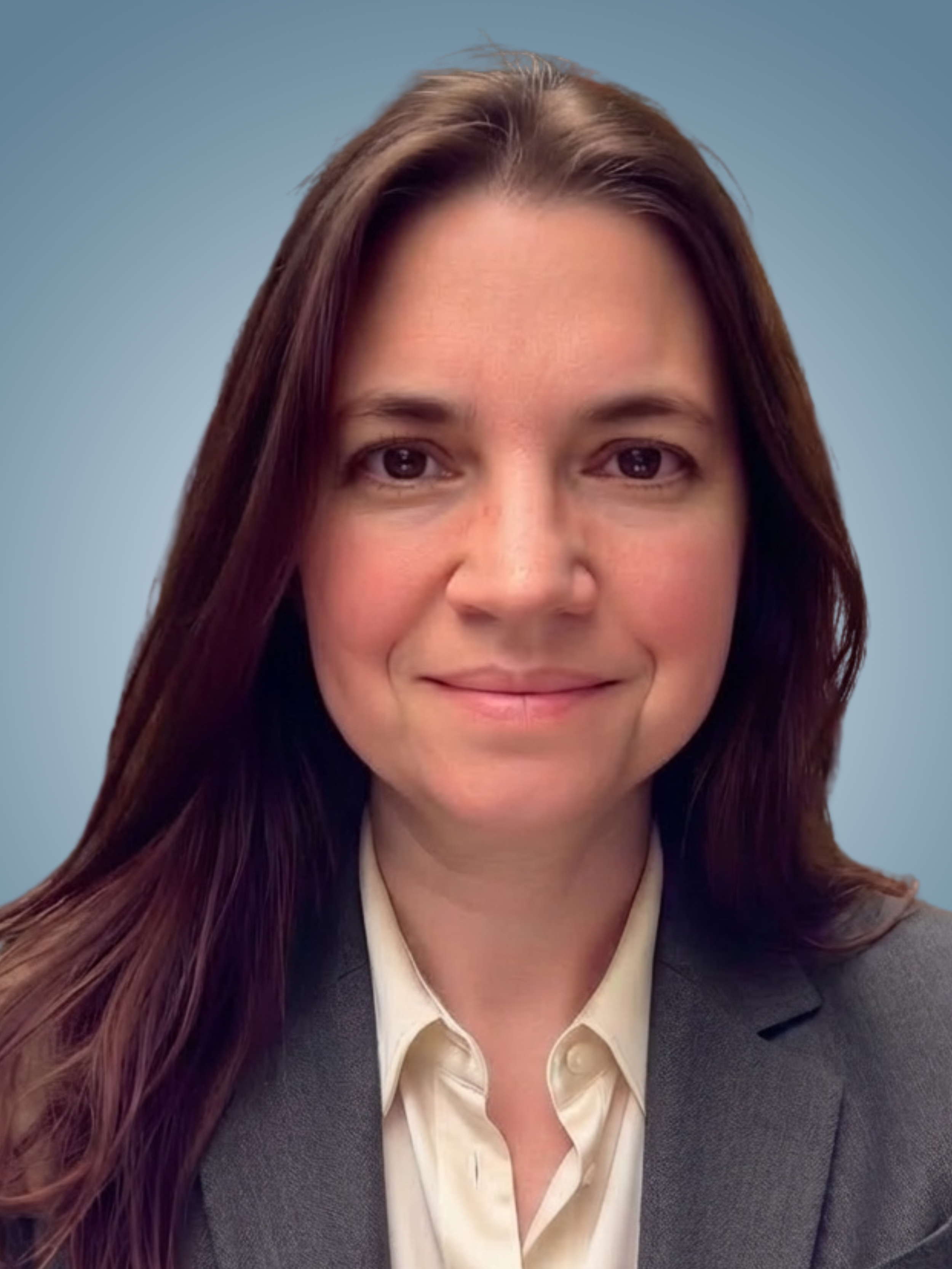
Dr. Elizabeth Rennick is a performance educator who has spent more than twenty-five years on both sides of the audition, as a professional oboist, a university music professor, and a teacher of demanding skills. She teaches music at the University of Louisiana at Monroe and was previously a tenured Associate Professor of Oboe at Eastern Kentucky University, where students selected her for the Golden Apple Award for teaching. She holds a Doctor of Musical Arts from the University of Iowa and has been an invited performer at multiple conferences of the International Double Reed Society. She taught her first course in performance-anxiety management more than twenty years ago, and later returned to graduate school to understand what she had been watching in lessons and auditions, earning a Master of Social Work with a certificate in clinical social work from the University of Kentucky. She founded Breakthrough Performance Center, her independent practice, to work on the gap between trained ability and what a performer can reach when it counts.