I provide therapy for students at the Savannah College of Art and Design (SCAD) and other creative programs who are experiencing performance anxiety, perfectionism, creative burnout, or pressure related to critiques and portfolio reviews.
Therapy for SCAD Students and Creative Professionals
Students in art, design, film, animation, music, and other performance-focused programs work in environments where evaluation is constant. Critiques, auditions, portfolio reviews, and public presentations are regular parts of the creative process, and while these experiences can support artistic growth, they can also create significant pressure, especially for those who hold themselves to very high standards. Over time, the combination of perfectionism, intense deadlines, and repeated evaluation can contribute to performance anxiety, creative block, and burnout.
Why SCAD Students Seek Therapy
Artists understand that its difficult to produce results upon demand. Students at Savannah College of Art and Design often work in environments where critique, performance, and evaluation are constant parts of the creative process. From animation and film to fashion and design, the arts require students to continuously produce original work while developing a strong professional portfolio for future careers.
Studio projects, collaborative productions, and portfolio development and the bedrock of SCAD education but the reviews of artistic work can feel personal.
At times, this environment can be exciting and motivating, but it can also create significant pressure. Creative work is deeply personal, and frequent critique sessions can sometimes lead artists to question their abilities or compare themselves to peers who are also highly talented and ambitious.
Some of the challenges SCAD students commonly describe include:
Pressure to consistently produce original, high-quality creative work
Constant critique and evaluation of artistic projects
Peer conflict and interpersonal struggles
Anxiety about portfolio reviews, exhibitions, or presentations
Competition for internships and industry opportunities
Comparison with exceptionally talented classmates
Fear that one mistake or weak project could affect future career prospects
Over time, these pressures can contribute to performance anxiety, perfectionism, creative block, or burnout.
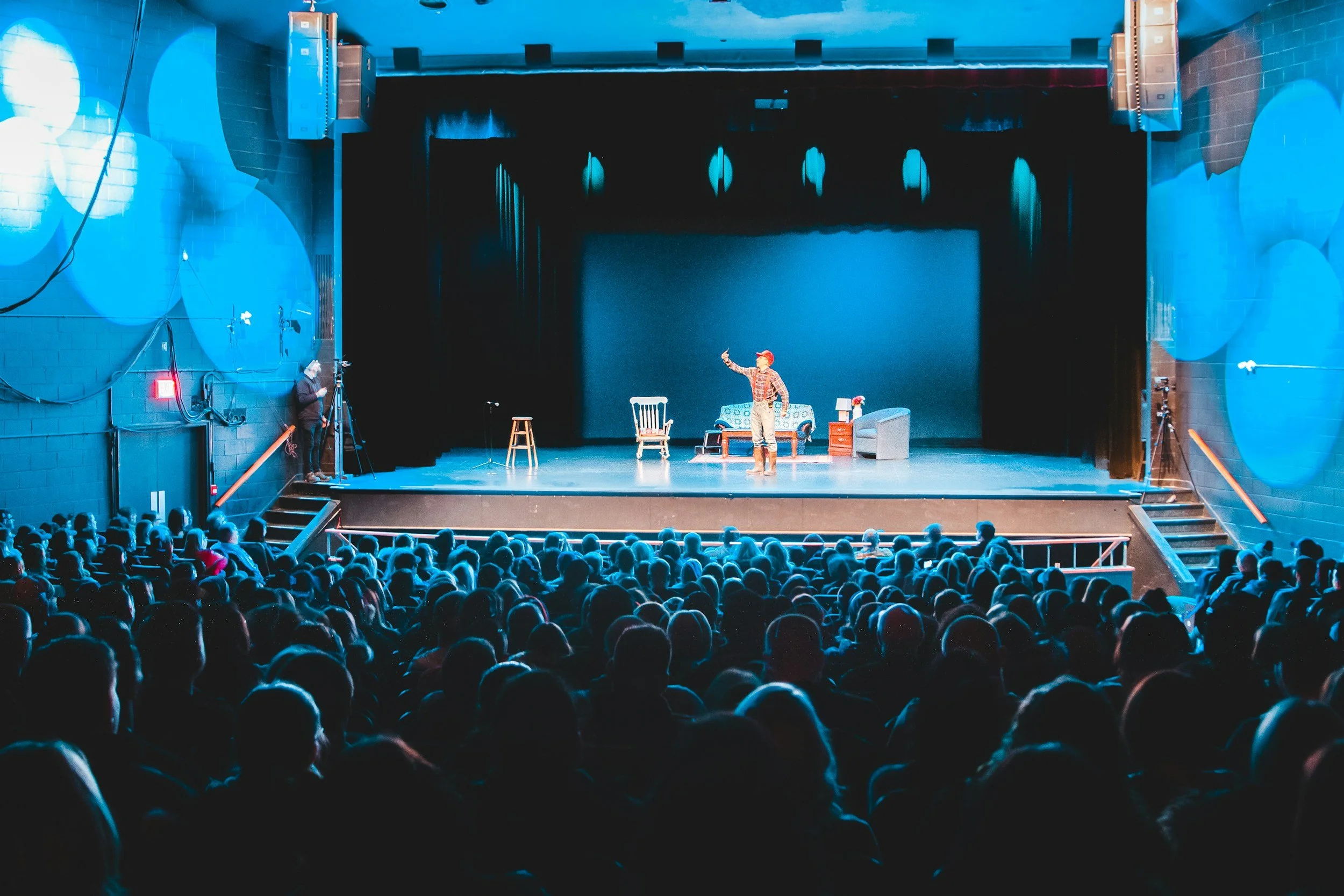
Students in highly selective creative programs often care deeply about their work and future careers. The same passion that drives artistic excellence can also create intense internal pressure. Many students in art, design, film, animation, music, and other creative disciplines find themselves navigating environments where their work—and often their identity as an artist—is regularly evaluated. Over time, this combination of personal investment, critique, and high expectations can lead to patterns of anxiety, perfectionism, and burnout.
Below are some of the challenges frequently experienced by students in demanding creative programs.
Common Mental Health Challenges in Creative Programs
Performance Anxiety and Fear of Evaluation
Artists sometimes experience anxiety when presenting work during critiques, screenings, exhibitions, juries, or performances.
This type of anxiety can show up as:
intense nervousness with physical symptoms before critiques or presentations
racing thoughts about how work will be received
difficulty concentrating while presenting creative work
fear that negative feedback means one is not talented enough
Because creative work is deeply personal, feedback can sometimes feel like a judgment rather than the project itself. Over time, this can lead one to avoid seeking feedback, delay submitting projects, or experience overwhelming anxiety during presentations.
Perfectionism and Creative Paralysis
Perfectionism can initially feel motivating. It can feel necessary to hold oneself to a high standard, but it can also create pressure that makes it difficult to move forward creatively, preventing the very excellence that it was intended to encourage.
Artists experiencing perfectionism may notice:
spending excessive time revising projects
feeling that work is never “good enough” to submit
avoiding starting projects due to fear of failure
difficulty completing work despite strong abilities
hopelessness that comes and goes
Perfectionism can gradually lead to creative block, exhaustion, and unproductive anxiety.
Imposter Syndrome Among Highly Talented Peers
You have come to SCAD which brings together students who have been among the most talented artists. When surrounded by other talented peers, you may begin to question whether you truly belong.
Artists experiencing imposter syndrome may think:
“Everyone else here is more talented than I am.”
“I was accepted by mistake.”
“Soon people will realize I’m not as good as they think.”
These thoughts can persist even when students are performing well academically and creatively.
Creative Burnout
Long studio hours, tight deadlines, and constant production of new ideas: Over time, this intensity can lead to burnout.
Signs of creative burnout may include:
feeling emotionally exhausted by creative work
losing motivation for projects that once felt exciting
difficulty generating new ideas
feeling disconnected from one’s artistic voice
Burnout reflects how much pressure one has been carrying for an extended period of time.
Comparison and Identity Pressure
Frequent comparison between work on social media in portfolio reviews, and in studio can make it easy to measure oneself against others.
Have you felt like your entire identity and success as an artist depends on your latest project or critique? When creative work becomes closely tied to self-worth, setbacks can feel much more personal and discouraging.
Support provides a space to develop a healthier relationships with your work, creativity, and long-term goals.
Therapy for Performance Anxiety and Creative Pressure
Specialized support can provide a space to better understand these patterns and develop skills that support both mental health and creative performance. Rather than trying to eliminate anxiety entirely, these evidence-based approaches focus on helping you relate differently to pressure, self-criticism, and fear of evaluation so you can continue to create and perform effectively.
Students in creative programs often seek therapy to work through challenges such as:
performance anxiety during critiques, exhibitions, or presentations
fear of negative evaluation from professors or peers
perfectionism that makes it difficult to complete projects
creative block or loss of artistic motivation
anxiety related to auditions, portfolio reviews, or internships
feeling overwhelmed by the pressure to succeed in competitive creative industries
Over time have you noticed notice patterns of anxiety, perfectionism, or creative block that interfere with both your work and well-being?
Evidence-Based Approaches for Performance Anxiety
Therapy for performance anxiety and creative pressure draws from research-supported psychological approaches. These approaches help you develop a healthier relationship with anxiety, self-criticism, and uncertainty.
These evidenced-based therapies have a proven track record.
Acceptance and Commitment Therapy (ACT)
ACT helps individuals learn how to move toward meaningful goals even in the presence of anxiety or self-doubt. Rather than attempting to eliminate uncomfortable thoughts, the focus is on building psychological flexibility and values-driven action.
Mindfulness-Based Approaches
Mindfulness skills can help students become more aware of internal experiences such as racing thoughts, physical tension, or fear of evaluation without becoming overwhelmed by them.
Cognitive and Behavioral Strategies
Certain cognitive and behavioral techniques can help individuals gradually reduce avoidance patterns, build confidence presenting their work, and approach critiques or performances with greater stability.
These strategies are supported by a growing body of psychological research.
Work With a Therapist Who Understands
Do you worry that a therapist may not fully understand the pressures of critiques, auditions, or portfolio development?
Before becoming a therapist, I spent many years working in higher education as a professional musician and university professor. Through that experience, I worked closely with students navigating auditions, juries, performances, and the demands of highly competitive artistic environments.
This background allows me to understand the unique challenges creative students often face, including the vulnerability involved in sharing artistic work, the pressure to perform at a high level, and the deep connection many artists feel between their identity and their creative output.
Therapy can become a place where students develop a more sustainable relationship with both their creativity and the expectations that come with pursuing artistic excellence. You can talk to an artist who is also a therapist.
Online Therapy for SCAD Students in Savannah
Breakthrough Performance center offers Telehealth across Georgia with flexible scheduling. I specialize in therapy for SCAD students in Savannah.
What Therapy May Help You Work Through
We frequently work with performance anxiety, perfectionism, creative block, fear of critique, burnout, imposter syndrome, academic stress, and interpersonal and relationship anxieties.
Frequently Asked Questions from SCAD Students
-
Yes. Many students in creative programs experience some level of performance anxiety. At Savannah College of Art and Design (SCAD), students regularly present their work in critiques, screenings, exhibitions, and portfolio reviews. While these experiences are designed to support artistic growth, they can also create anxiety about how one’s work will be received. Performance anxiety in creative fields is common and does not mean a student lacks talent or preparation.
-
Yes. Many students seek therapy to develop strategies for managing anxiety related to critiques, presentations, and public discussions of their work. Therapy can help students understand how anxiety operates in high-pressure environments and develop practical ways to approach critiques with greater confidence and stability.
-
Perfectionism is extremely common in highly selective creative programs. Students often hold themselves to very high standards, especially when surrounded by other talented peers. While high standards can support artistic growth, perfectionism can also lead to creative block, difficulty completing projects, and intense self-criticism.
-
Creative burnout occurs when sustained pressure to produce new ideas and high-quality work leads to emotional exhaustion or loss of motivation. Students experiencing burnout may feel disconnected from their creative voice or struggle to begin new projects. Burnout is often a signal that someone has been carrying a great deal of pressure for a long period of time.
-
Yes. Many students choose to work with therapists outside their university for additional privacy, scheduling flexibility, or specialized support. Students enrolled at SCAD can work with licensed therapists through secure online therapy sessions available to clients located in Georgia.
-
Many creative students experience anxiety related to auditions, exhibitions, portfolio reviews, and other performance-based evaluations. Therapy can help students develop skills for managing performance pressure while continuing to pursue meaningful artistic and professional goals.
-
Yes. I work with students at the Savannah College of Art and Design (SCAD) as well as other creative and performance-focused programs. My practice focuses on helping artists, performers, and high-achieving students navigate performance anxiety, perfectionism, and creative pressure.